Coastal destinations that work: a design playbook for the Southern Corniche
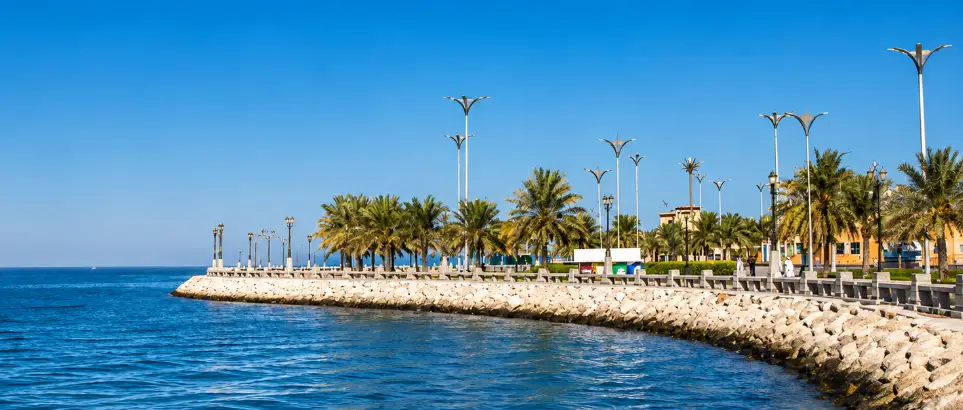
Waterfront projects succeed when architecture, structure, utilities, and operations are coordinated around coastal realities—salt spray, wind, wave uplift, access, and maintenance. EVARA’s approach begins with a locked scope for the Corniche’s priority assets: the pier restaurant and beach/marine components. We establish a single technical baseline (survey, geotechnical assumptions, wave and wind envelopes, utility capacities) so every discipline designs to the same constraints.
For the pier restaurant, structural schemes consider uplift, lateral loads, fatigue, and corrosion management: elevated decks above design surge, durable reinforcing strategies, protective coatings, stainless/FRP in splash zones, sealed fixings, and planned inspection access. MEP engineering targets hospitality-grade performance—ventilation and IAQ tuned to marine humidity; electrical selectivity and protection (earthing/bonding suited to coastal exposure); back-of-house routing for serviceability; and safe egress integrated with public realm flows. Kitchen and waste systems are sized for peak service while preventing odors and backflow into guest areas.
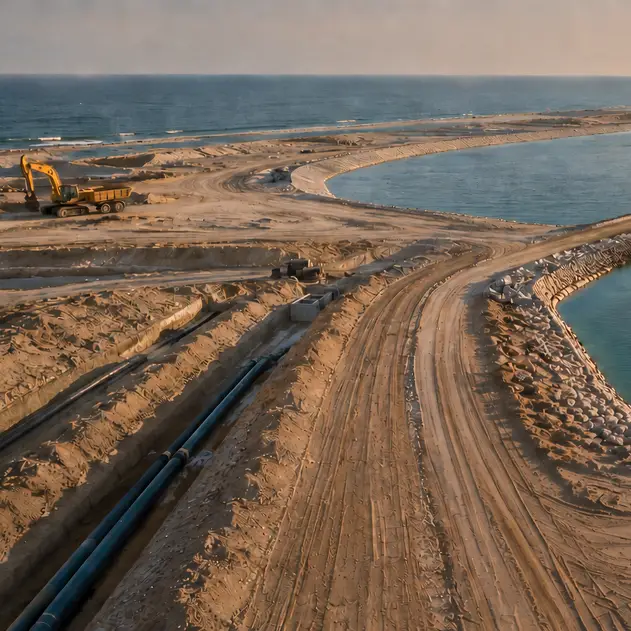
For beach/marine works, we coordinate wet/dry utilities along the promenade with depth/clearance matrices to protect foundations and future expansions. Drainage strategies manage intense rainfall and tidal interactions with graded surfaces, trench drains, and backflow protection. Lighting and low-current systems are designed for glare control, dark-sky sensitivity, and robust IP ratings; wayfinding integrates with universal accessibility and crowd movement.
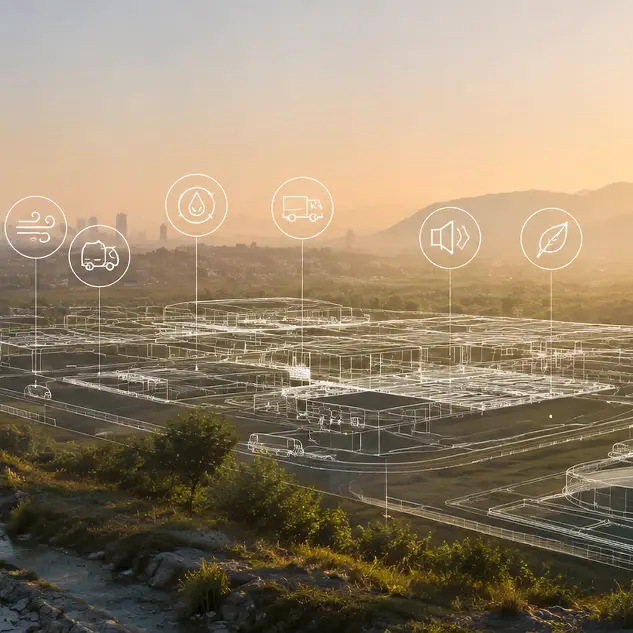
Delivery is BIM-first: coordinated models, clash detection in congestion zones (plant rooms, utility crossings, kitchen services), and iterative comment registers through 30/60/90/IFC gates. Each issue cycle pairs drawings + calculations + BOQs, keeping commercials aligned and minimizing downstream changes. A focused risk register tracks long-lead materials (marine-grade steels, coated fasteners), coastal logistics, and safety interfaces during construction (work-near-water, temporary works, public protection). The outcome is a Corniche package that is constructible, auditable, and maintainable, translating design ambition into a resilient public destination.