
At EVARA, we care. We're allies, advocates, teachers, students, guests and Hosts from all walks of life. Through creativity and innovation we make simple, useful products that bring us closer together.
People &
Culture
Founded in 1999 in Ithaca, New York, within Cornell University's innovation ecosystem, EVARA grew from a single-office venture into a multinational, multidisciplinary professional services group. What began under the Cornell umbrella now brings together engineering, technology, environment, media, and management advisory to deliver integrated solutions across regions and sectors. Today, EVARA's global headquarters is in San Diego, California, supported by regional hubs and operating teams across multiple countries—including the Middle East and North Africa, North America, and West Africa. This footprint keeps us close to clients and regulators while sustaining consistent standards, governance, and delivery methods.
Our Culture Pillars
Six practices make cross-disciplinary work feel like one team.

PILLAR 1 OF 6
We win as one, across disciplines and borders
Cross-functional work is our default. Engineers, analysts, and managers act as one squad with shared goals and standards—reducing handoffs, speeding decisions, and syncing complex programs.
PILLAR 2 OF 6
If it's on your plate, it's in your power.
Everyone leads from idea to delivery: scope, risks, trade-offs, and results. Ownership means clear commitments, early escalation, and closed loops—building trust and accelerating learning.
PILLAR 3 OF 6
Quality is a habit, not a checkpoint.
We practice the craft: peer reviews, checklists, clean naming, simple diagrams before complex models. Craft makes reliability repeatable across regions and teams.
PILLAR 4 OF 6
Curiosity fuels tomorrow's results.
EVARA Academy, mentoring, rotations, and safe pilots turn questions into capability. Retros and lessons learned feed playbooks so each delivery improves the next.
PILLAR 5 OF 6
Do the right thing, the right way.
We choose transparency, respect time and resources, and follow governance—conflict-of-interest rules, documented decisions, auditable data. Integrity safeguards people, clients, and outcomes.
PILLAR 6 OF 6
Measure what matters—and show it.
Success is real-world change: safety, cost, schedule, sustainability, stakeholder value. We set KPIs up front, track them live, and publish lessons so impact is visible and scalable.
PILLAR 1 OF 6
We win as one, across disciplines and borders
Cross-functional work is our default. Engineers, analysts, and managers act as one squad with shared goals and standards—reducing handoffs, speeding decisions, and syncing complex programs.
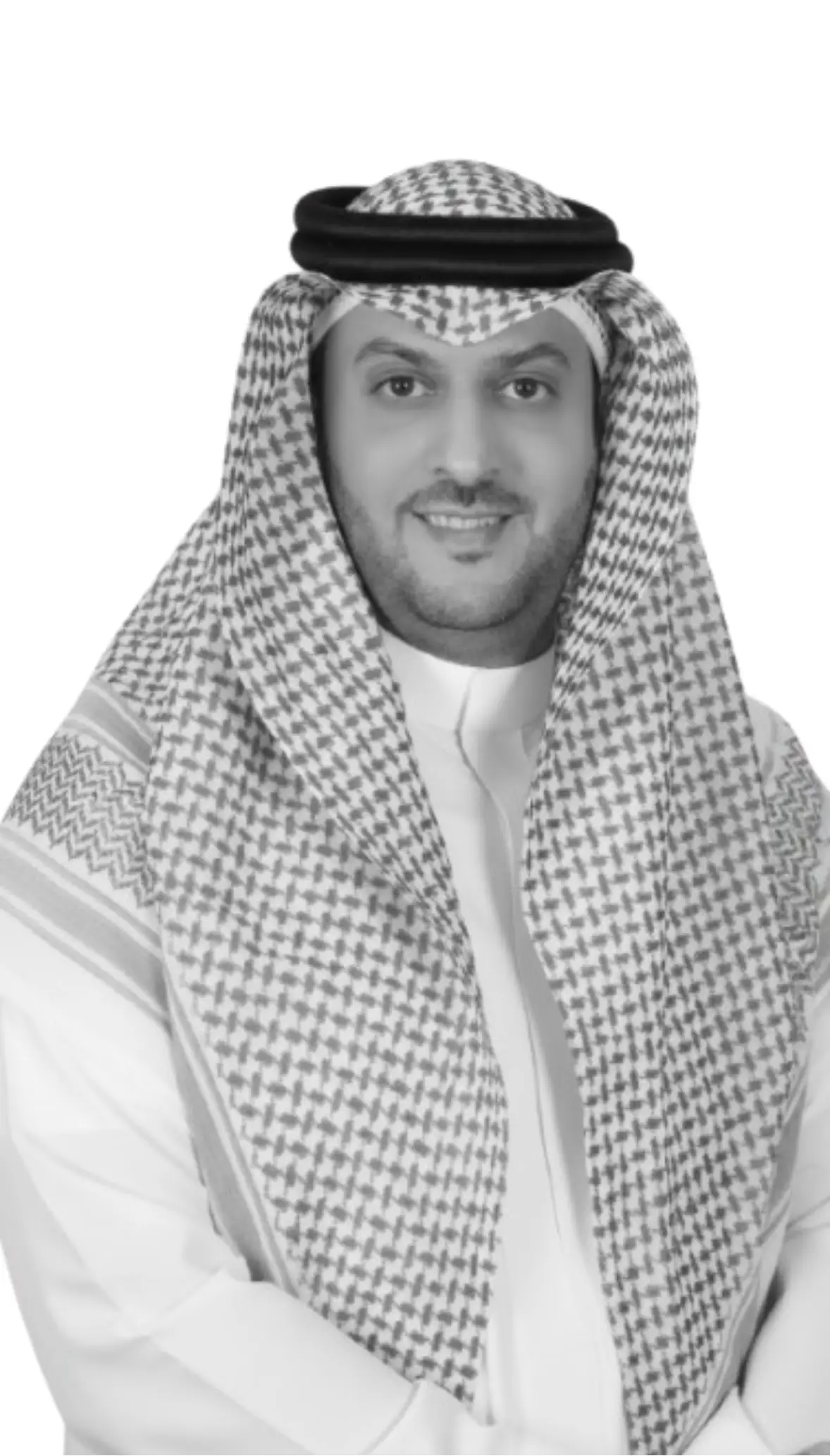
Meet Our People
Short stories from the teams building EVARA’s projects.

How We
Operate
Our operating system combines clear roles, stage gates, risk & quality loops, and a steady communication cadence—so teams in different countries deliver with the same reliability.

Project Squads
Cross-functional teams (lead, engineering, GIS/tech, controls) with a defined RACI and a single, prioritized backlog per project.

Operating Rhythm
Weekly stand-ups, bi-weekly reviews, and monthly stage-gates. Decisions and actions are captured in a living log so nothing drifts.

Standards & Playbooks
Templates, checklists, and method statements used across projects; peer review is embedded before any client release.

Risk & Quality
A live risk register tied to schedule and cost, with QA checks at each gate (scope, design, constructability, handover) to prevent late surprises.