Keeping water production reliable: a maintenance model for high-criticality electrical assets
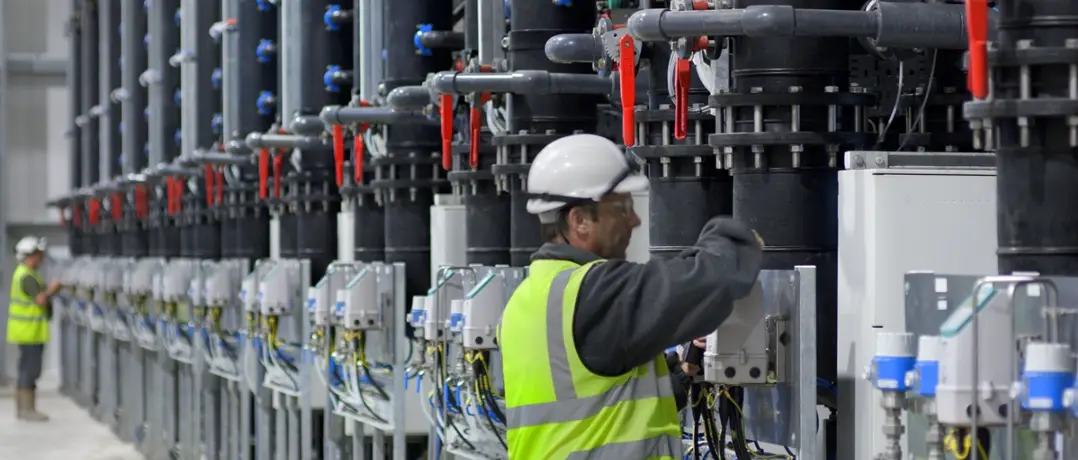
Power reliability is the backbone of water production. For Yanbu Phase 3, EVARA is applying a maintenance model that blends preventive, condition-based, and corrective workflows to reduce unplanned outages and extend asset life. We begin with a comprehensive asset survey—tagging transformers, MV/LV switchgear, protection relays, UPS and battery systems, variable-frequency drives, earthing and lightning networks, power-factor correction, generators, and associated cabling—then build a risk-based maintenance plan that prioritizes critical nodes tied to pumping, treatment, and control.
Execution is anchored in electrical safety and operability: lock-out/tag-out (LOTO), arc-flash risk assessment, isolation procedures, energized work permits, and method statements tailored to live plant conditions. Testing and diagnostics (primary/secondary injection, insulation resistance, PD, thermography, relay coordination checks, breaker timing, battery capacity tests) feed a CMMS that schedules PM activities, tracks spare parts, and logs failure modes. The same system drives response-time SLAs, MTBF/MTTR analytics, and availability targets for switchgear line-ups and essential feeders.
Because the production system is distributed, logistics and access matter. EVARA sets zoned call-out rosters, caches critical spares, and pre-approves vendor alternates to absorb supply-chain shocks. Work windows are coordinated with plant operations to protect water continuity, and post-intervention commissioning checks verify that performance and protection settings remain within design envelopes. Governance is transparent: monthly dashboards report PM compliance, fault statistics, energy-loss indicators, and safety leading metrics, giving the Authority an auditable view of cost, risk, and reliability improvements.