A practical operating model for multi-site supervision: from design integrity to field execution
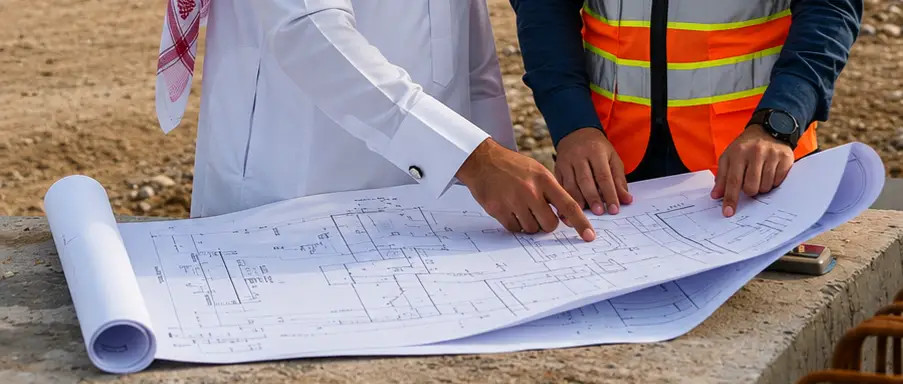
Large public programs succeed when design quality, supervision discipline, and documentation move in lockstep. For the Reef Program’s southwestern portfolio, EVARA’s approach begins upstream—verifying designs and drawings for conformance with national and international standards and checking material details, dimensions, and specifications. In parallel, we validate bills of quantities so that cost, scope, and schedules are internally consistent, and we run value-engineering studies to unlock efficiency without compromising quality. These controls reduce avoidable changes and enable clearer tendering and execution windows.
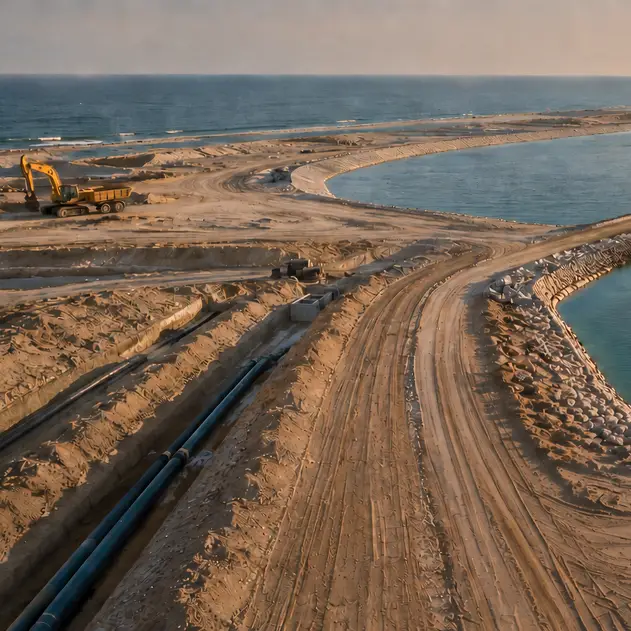
Once on site, EVARA’s supervisors maintain a daily presence, tracking progress against the baseline program, inspecting materials and equipment, witnessing tests, and documenting results. We implement a comprehensive quality-management plan spanning periodic and surprise inspections, procedure audits, and performance criteria, feeding regular reports that tie observations to corrective actions and schedule impacts. This cadence keeps the work predictable and transparent for client and contractor alike.
Governance is reinforced through documented meetings and minutes, incident logging, and close-out evidence (as-builts, O&M manuals, training records). At project end, EVARA compiles a comprehensive final report that evaluates contractor performance against contract requirements and recommends targeted improvements—ensuring that lessons learned carry forward to the next package. The overall contract window covers June 1, 2025 to June 30, 2027, allowing sufficient time for design reviews, field execution, and handover across multiple sites under Taibah Valley’s mandate.