Destination design done right: from concept intent to IFC-ready delivery in 10 weeks

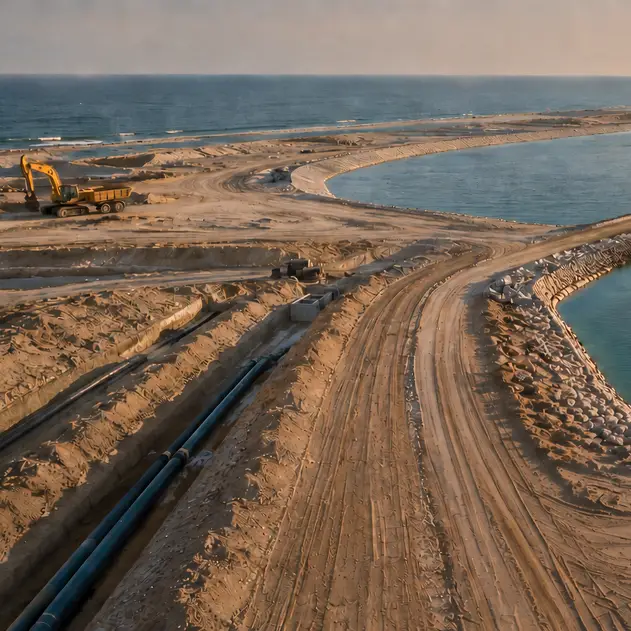
Island activations compress ambition into tight windows: diverse small buildings, demanding visitor flows, utilities with limited right-of-way, and a hospitality-grade fit-out that must be constructible on day one. EVARA’s playbook for Jabal Alsabaya starts by locking three fundamentals: clarity of scope, coordination discipline, and tender readiness.
Scope clarity means freezing a complete list of assets—chalets, pavilions, kiosks, prayer and waiting shelters, retail, clinic/authority office, staff accommodation, shisha lounge/prep, juice & snack bar, toilets, volleyball area, kids amphitheater, carts charging, and associated common spaces—so every drawing, BOQ item, and utility node maps to a defined facility. We pair this with use-case narratives (arrival, wayfinding, service, emergency) to stress-test the master plan, signage, and back-of-house.
Coordination discipline is BIM-first. We generate detailed architecture/interiors, structural foundation schemes suited to coastal soils and corrosion exposure, and MEP with hospitality standards for IAQ, lighting quality, selectivity, and maintainability. External wet/dry utilities—potable, firefighting, sewage, storm, power, low-current—are routed with service-corridor logic and capacity checks. Iterative clash reviews in congestion zones (plant rooms, kiosks, corridors, utility crossings) move rework from the site to the model. Each cycle ends with a traceable comment register, closure evidence, and updated BOQs to keep commercials aligned.
Tender readiness is the finish line. EVARA organizes deliverables into milestone gates (30/60/90/IFC), issues coordinated packages (drawings + specs + schedules), and prepares employer’s requirements addenda and tender clarifications to minimize post-award ambiguity. The 10-week schedule is protected by response SLAs, early submittal of long-lead specs, and a risk register covering coastal corrosion, logistics, and visitor-safety interfaces. The outcome is a destination that is buildable, code-compliant, and operationally coherent—with documentation that can be audited by lenders, authorities, and operators alike.